October 15, 2026
Unexpectedly high heating bills can make it difficult to manage household expenses during the colder months. Although dropping temperatures naturally increase energy consumption, other factors can cause your heating system to use more fuel or electricity than necessary. Poor insulation, aging equipment, incorrect thermostat settings, and overlooked maintenance issues can all contribute to rising costs. Identifying these problems helps homeowners make informed decisions about improving efficiency and maintaining indoor comfort. Understanding when to make household adjustments and when to contact a furnace repair company can also prevent minor issues from becoming expensive repairs.
1. Poor Home Insulation
Identifying Hidden Heat Loss
Insufficient insulation allows heated air to escape through walls, attics, crawl spaces, and ceilings. As warm air leaves, cold air can enter through gaps, forcing the heating system to work harder to maintain the desired temperature. Homeowners may notice persistent drafts, uneven room temperatures, or heating bills that remain unusually high despite consistent thermostat settings. A professional energy assessment can identify areas where insulation improvements would make the greatest difference.
Addressing Drafty Windows and Doors
Older windows and doors can undermine otherwise effective insulation. Worn seals, damaged weatherstripping, and poorly fitted frames create openings that allow heat to escape. Replacing damaged seals and improving window insulation can help reduce unnecessary energy loss. Although these improvements may require an initial investment, they can support more consistent indoor temperatures and reduce the workload placed on the heating system.
2. An Inefficient or Aging Furnace
Recognizing Declining Performance
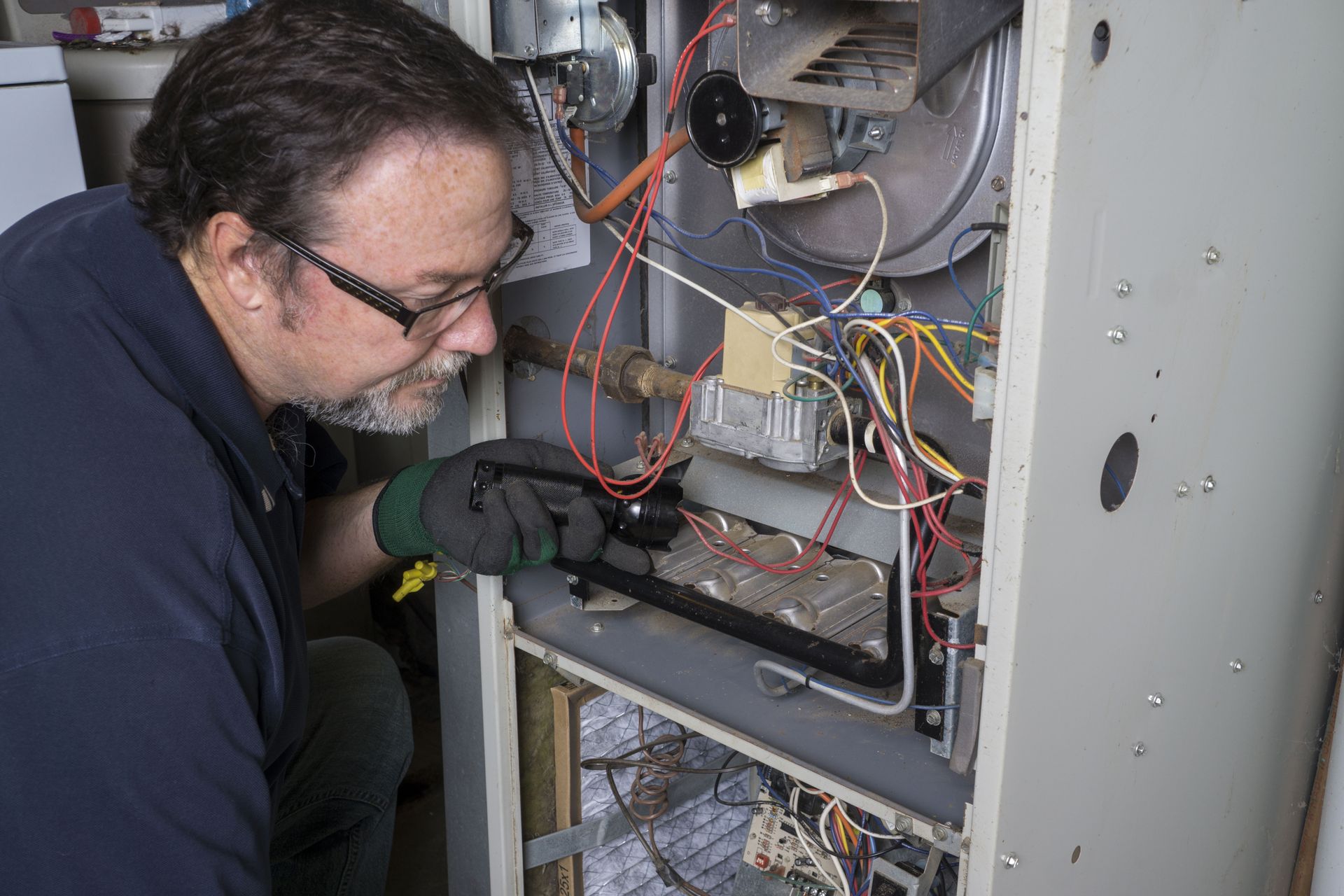
Heating equipment becomes less efficient when components wear out, airflow becomes restricted, or internal parts stop functioning correctly. Warning signs include unusual noises, frequent cycling, weak airflow, and rooms that never seem to reach the thermostat setting. A furnace that runs longer than usual may consume additional energy without delivering the expected comfort. Contacting a furnace repair company when these symptoms appear can help identify the cause before the problem becomes more serious.
Understanding Equipment Lifespan
Age can also influence heating performance and repair decisions. According to HomeGuide, a furnace typically lasts 15 to 30 years, depending on the brand, installation quality, fuel type, usage, and maintenance frequency. However, an older system does not automatically require replacement. Its repair history, operating efficiency, and current condition all matter when determining the most practical next step. A qualified technician can assess whether a repair is likely to restore reliable performance or whether replacement deserves consideration.
Comparing Repair and Replacement Options
When heating costs continue to climb, homeowners should consider whether their equipment is operating as efficiently as it should. A relatively minor mechanical problem may be resolved through a targeted repair, while recurring failures could indicate a larger issue. A furnace repair company can evaluate the system, explain available solutions, and help homeowners compare the cost of continued repairs with the potential benefits of a newer, more efficient model. Making this decision based on the equipment's condition rather than age alone can help prevent unnecessary spending.
3. Incorrect Thermostat Settings
Setting Comfortable Temperatures
Keeping the thermostat higher than necessary can increase energy consumption, especially when the difference between the indoor and outdoor temperatures is substantial. Many households can maintain comfort by choosing a moderate temperature while people are home and lowering the setting when everyone is asleep or away. Even small adjustments can reduce the amount of time the heating system needs to operate throughout the winter.
Using Programmable and Smart Thermostats
Programmable thermostats allow homeowners to schedule temperature changes around their daily routines. Smart thermostats offer additional convenience through remote controls, automated adjustments, and energy-use information. These features can help prevent unnecessary heating when the house is empty. However, incorrect programming or an improperly located thermostat can interfere with temperature regulation. If adjustments do not produce the expected results, a professional from a furnace repair company can determine whether the thermostat or another system component needs attention.
4. Leaky or Damaged Ductwork
Recognizing Uneven Heat Distribution
Ductwork carries heated air from the furnace to different rooms throughout the home. When ducts develop leaks, loose connections, or damaged insulation, some of that heat escapes before reaching its destination. Homeowners may notice that certain rooms remain cold while others feel comfortable, even when the furnace runs continuously. These distribution problems can increase energy consumption and make the home less comfortable.
Improving Airflow and Sealing Leaks
Professional duct inspections can identify gaps, disconnected sections, and obstructions that interfere with airflow. Proper sealing and insulation help deliver more heated air to the intended rooms while reducing unnecessary system strain. Although accessible duct connections may appear straightforward, hidden or extensive damage can require specialized equipment and experience. Addressing these problems can improve temperature consistency without automatically requiring a new furnace.
5. Skipping Routine Maintenance
Replacing Filters and Checking Airflow
A dirty air filter restricts airflow, making it harder for a furnace to circulate warm air effectively. Depending on the system and household conditions, filters may need replacement every one to three months, or according to the manufacturer's recommendations. Homes with pets, frequent heating use, or dusty conditions may require more frequent attention. Keeping filters clean is a simple way to support efficient operation and reduce unnecessary strain on equipment.
Scheduling Professional Inspections
Routine maintenance helps technicians identify developing problems before they cause unexpected breakdowns. During an inspection, a professional can evaluate system components, check electrical connections, examine airflow, and verify that controls operate properly. A furnace repair company can also identify worn parts or performance issues that may be contributing to unusually high energy bills. Annual maintenance is particularly valuable before winter, when heating equipment often faces its heaviest workload.
6. Household Habits That Increase Energy Use
Heating Unoccupied Rooms
Heating an entire home to the same temperature may waste energy when certain rooms are rarely used. Zoning systems can provide more control over heating in different areas, provided they are designed for the equipment and ductwork. Homeowners can also improve comfort by keeping interior doors open or closed as appropriate for their system's airflow requirements. Before blocking vents or closing multiple registers, however, they should consult a professional because restricting airflow can negatively affect furnace performance.
Relying on Supplemental Heating
Portable space heaters can be useful for temporary, localized warmth, but frequent use may increase electricity consumption. Their operating costs depend on the device's power rating, how long it runs, and local electricity rates. Homeowners should compare these expenses with the cost of operating their central heating system. Space heaters should also be placed away from combustible materials and used according to the manufacturer's safety instructions. If certain rooms consistently require supplemental heat, the underlying distribution or insulation problem may deserve professional attention from a furnace repair company.
7. Outdoor Conditions and Changing Heating Demands
Accounting for Colder Weather
Heating bills naturally rise when outdoor temperatures fall because the system must replace heat lost through the building's exterior. Extended cold spells can increase operating hours even when the equipment is functioning correctly. Comparing bills without considering weather conditions may make normal seasonal changes appear to be a mechanical problem. Reviewing energy usage alongside local temperatures can help homeowners distinguish expected increases from unusual consumption.
Identifying Uneven Indoor Temperatures
Some rooms may feel colder because of their position, window exposure, insulation levels, or distance from the furnace. Rooms above garages, additions, and spaces with large windows can be particularly difficult to keep comfortable. Improving insulation or correcting airflow problems may reduce these differences. If the temperature imbalance persists, a furnace repair company can inspect the heating system and determine whether a mechanical issue is contributing to the problem.
If your furnace is running longer than usual, producing uneven heat, or driving up your monthly bills, contact Shawnee Heating & Cooling Inc. for professional assistance. An experienced technician can evaluate your heating system, identify potential efficiency problems, and recommend appropriate repairs or maintenance. Taking action before a minor issue becomes a major breakdown can help keep your home comfortable and your heating expenses more manageable throughout the colder months.