June 12, 2026
Maintaining a comfortable home environment is a top priority for most residents, but the mechanical systems required to regulate indoor temperatures are among the most complex and expensive components of a property. Understanding the impact of a well-maintained system on utility consumption and overall cost savings is crucial for making informed financial decisions.
Comprehensive HVAC service and targeted repairs can lead to significant reductions in monthly expenses. With energy prices continuing to climb, optimizing these systems becomes essential for those looking to save money without sacrificing climate control. An inefficient unit can inflate your utility bills by consuming significantly more power than necessary to achieve the same thermal results. By delving into the components of these systems and the importance of professional oversight, homeowners can find the path toward long-term savings.
Understanding the Basics of HVAC Systems
HVAC stands for heating, ventilation, and air conditioning. This integrated system is crucial for controlling the climate and maintaining indoor air quality in both residential and commercial buildings. When functioning correctly, it ensures that living areas are adequately heated or cooled depending on the seasonal demands of the region. By maintaining optimal indoor temperatures and managing humidity, these systems contribute directly to the health and safety of the occupants.
Identifying Key Components
These systems are composed of several critical parts, each playing a distinct role in the thermal process. These include the furnace, which produces heat; the air conditioner, which removes heat; and the ductwork that serves as the distribution network throughout the building. Other vital components include the thermostat that regulates operation and the advanced filtration systems that maintain air purity. Recognizing how these parts interact helps in identifying potential issues that cause mechanical drag and inefficiency.
Emphasizing Regular Maintenance
The importance of routine HVAC service cannot be overstated, as it enhances performance and prolongs equipment lifespan. Without consistent evaluations, small mechanical stresses may evolve into costly failures. A well-serviced system functions more fluidly, reducing energy usage and lowering monthly bills. Whether it is spring/winter HVAC maintenance or a specific HVAC inspection, identifying problems before they escalate ensures reliable performance throughout the year.
Executing Professional HVAC Inspections
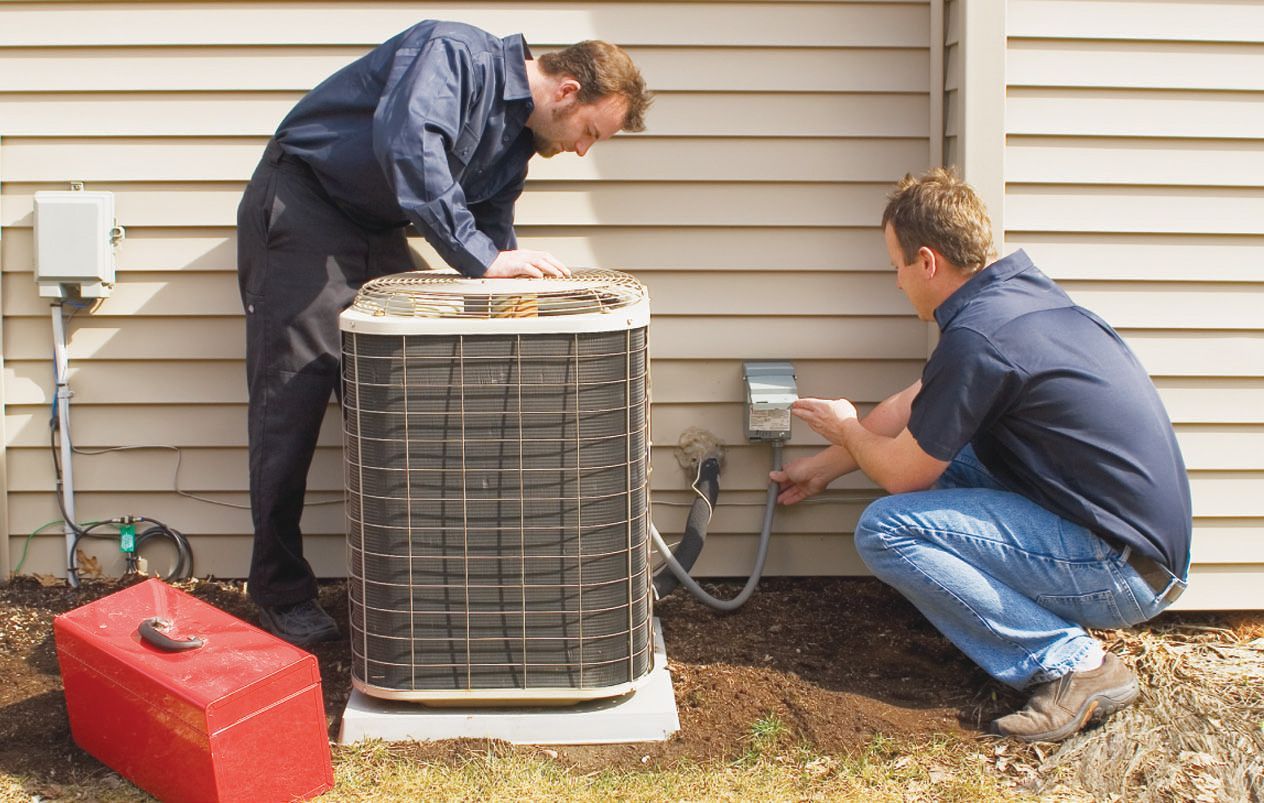
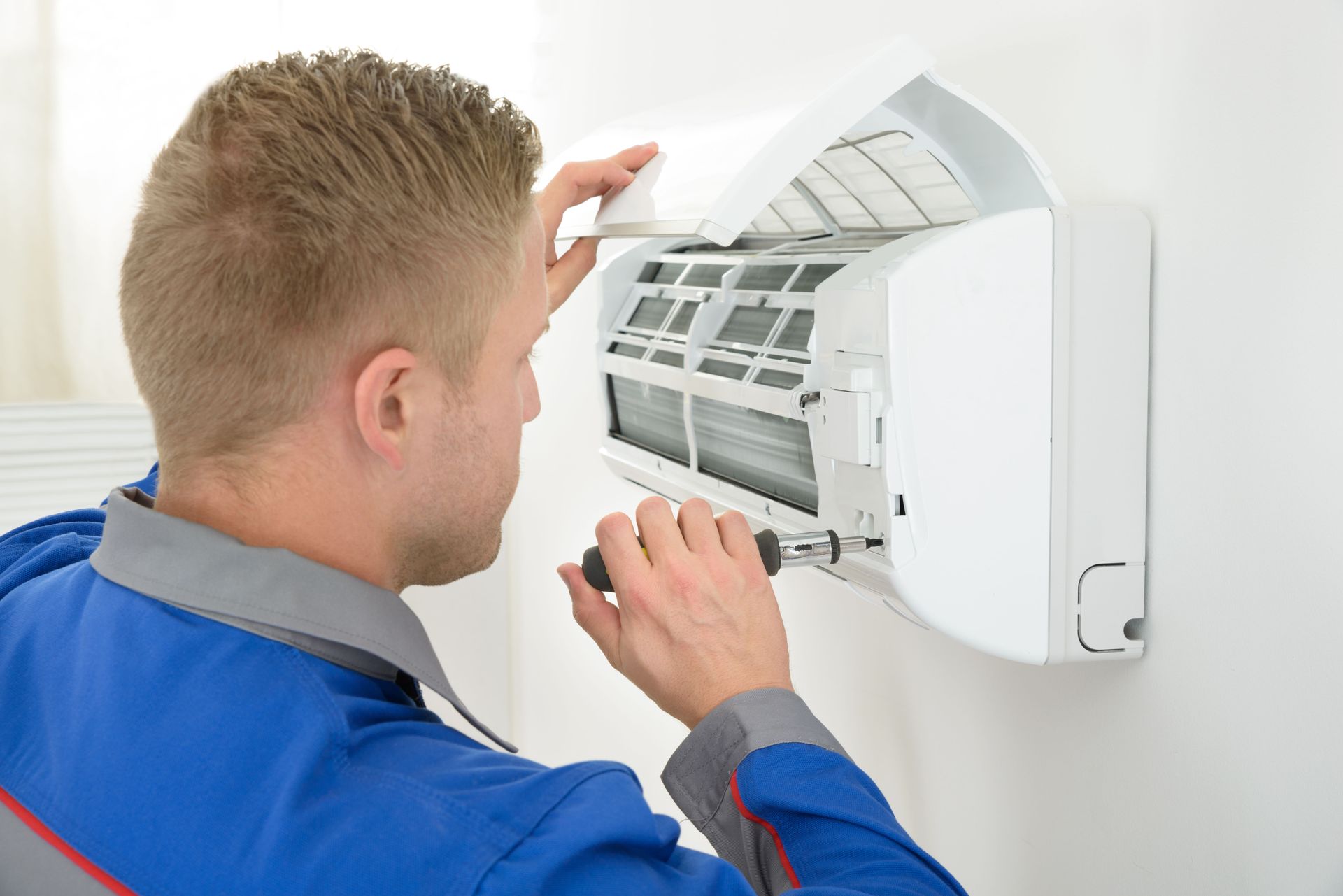
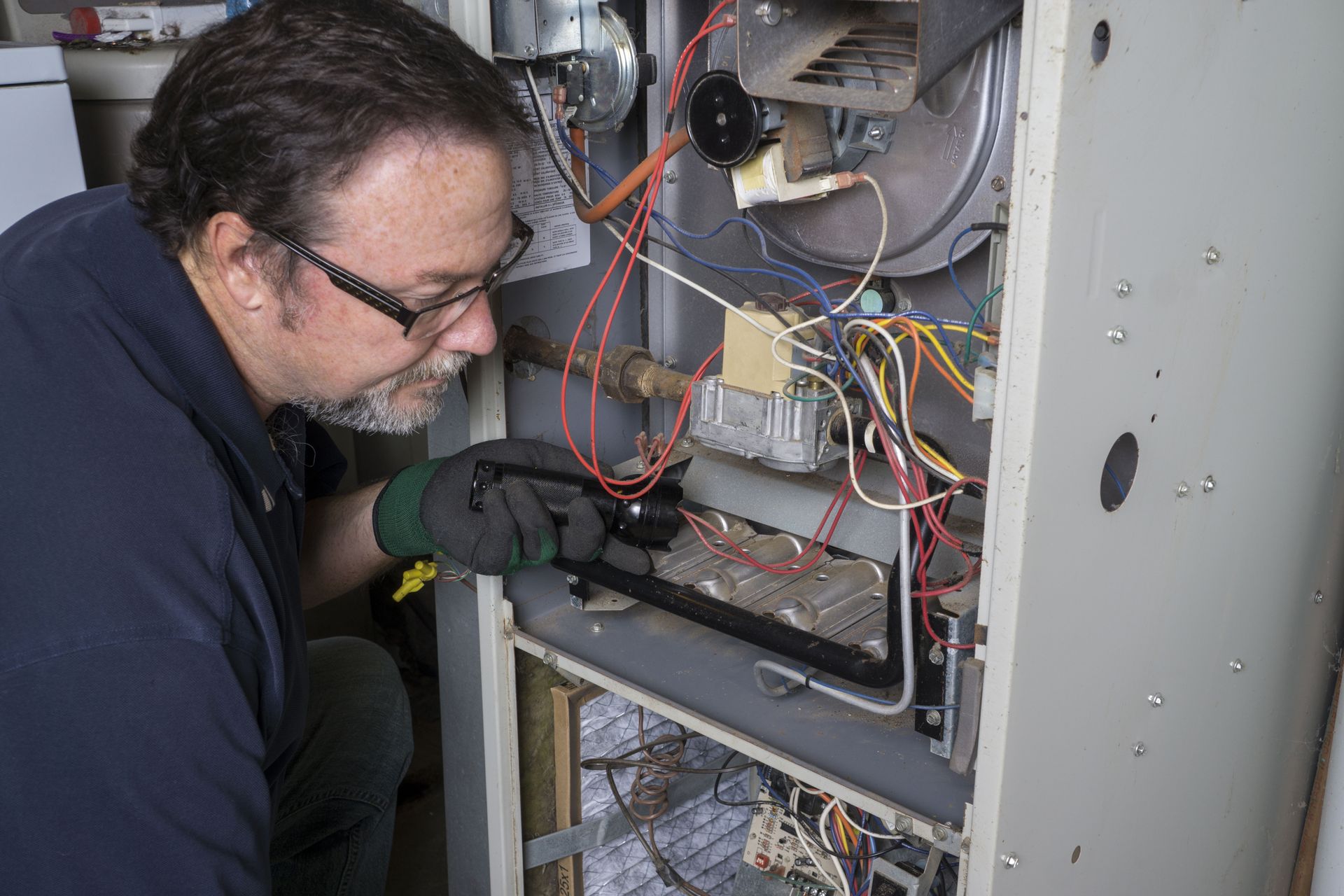
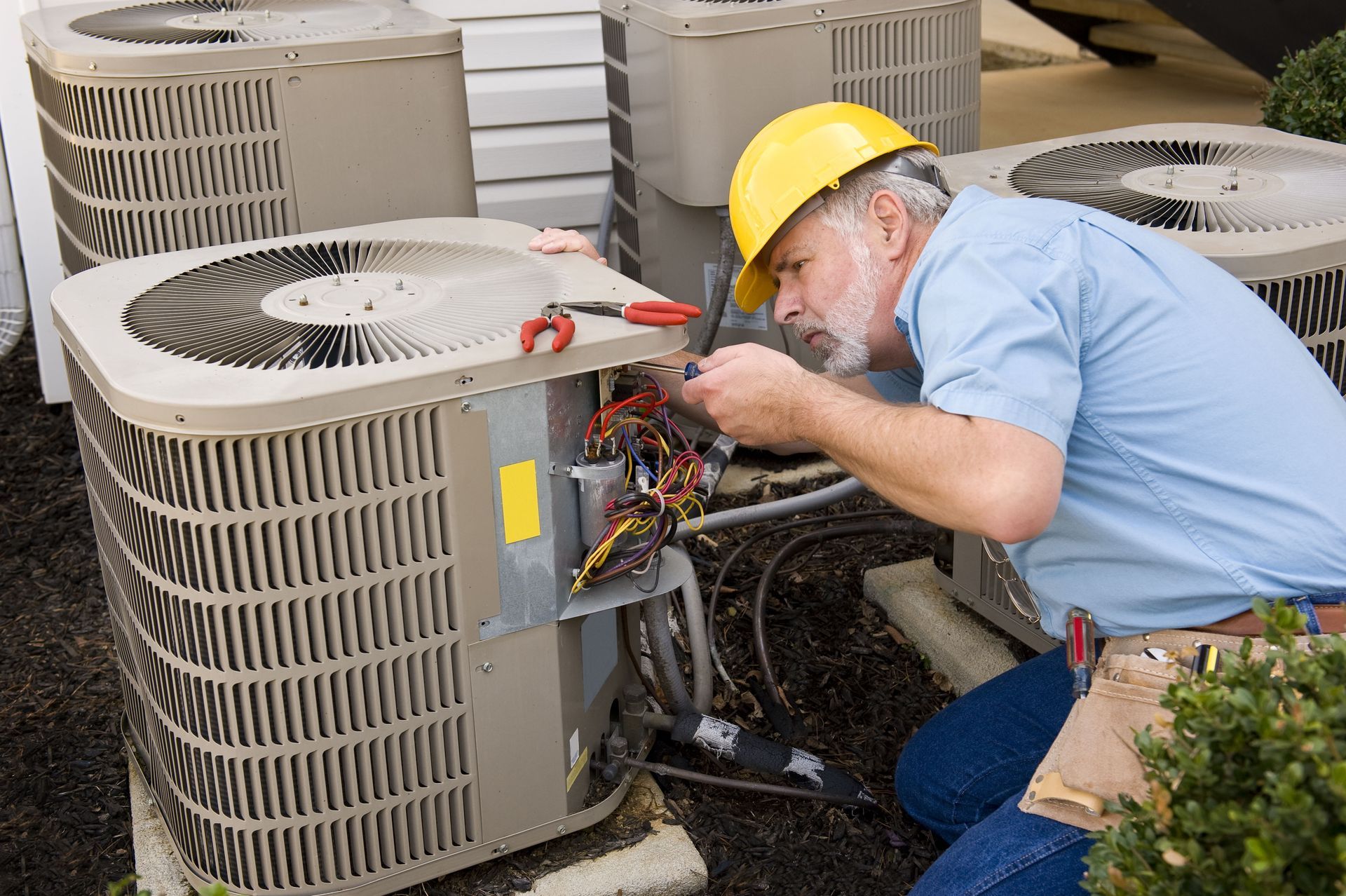
A professional HVAC inspection is a thorough evaluation of a system's overall health and operational efficiency. Technicians scrutinize each component to ensure everything is in proper working order. These evaluations typically involve checking thermostat calibration, tightening electrical connections, and lubricating moving parts. These sessions help determine whether parts require immediate repair or if they are still within their functional lifespan. Regular inspections prevent unexpected disruptions during peak summer or winter months.
Uncovering Energy-Draining Issues
An inspection can uncover hidden issues that drain resources and inflate utility costs. For instance, blocked vents and outdated equipment are common problems that hinder thermal transfer. By identifying these issues early, homeowners can address them before they necessitate a full system replacement. Properly managing the distribution network is also vital; according to This Old House, sealing HVAC ducts correctly can boost efficiency by as much as 20%. Attention to these structural details can lead to substantial reductions in operational costs over time.
Evaluating the Cost-Effectiveness of Inspections
Although there is an initial cost associated with professional HVAC service, the long-term savings make it a worthwhile investment. Routine evaluations can extend equipment lifespan and delay the need for expensive heater and furnace installation. A thorough assessment also enhances safety by detecting gas leaks or faulty wiring that could pose a fire hazard. These benefits far outweigh the initial fees, making professional evaluations a prudent choice for resource-conscious homeowners.
Enhancing Efficiency Through Performance Tune-Ups
HVAC tune-ups encompass a range of essential tasks designed to improve the system. Key elements include cleaning condenser coils, inspecting refrigerant levels, and testing the thermostat's communication with the unit. Each task is vital for ensuring the system utilizes less power to maintain desired temperatures. Tune-ups also involve calibrating controls to optimize both heating and cooling performance, preventing undue strain on the compressor and blower motor.
Realizing Seasonal Maintenance Benefits
Spring and winter HVAC maintenance is strategically timed to prepare systems for upcoming weather demands. Fall tune-ups gear heating systems for winter, ensuring reliable warmth, while spring maintenance prepares air conditioners for the humidity of summer. These timely interventions optimize performance before extreme conditions occur, preventing system overload. Scheduling these evaluations during the shoulder seasons ensures consistent comfort and prevents the system from working harder than necessary.
Choosing Professional Expertise
While some minor cleaning can be done by residents, there are significant advantages to professional servicing. Technicians possess the specialized tools required to identify electrical resistance and refrigerant imbalances that are invisible to the untrained eye. Professional tune-ups typically result in a more thorough and effective restoration of efficiency. Entrusting these tasks to experts ensures that the mechanical integrity of the system remains intact, providing reliable energy savings.
Upgrading to Energy-Efficient Systems
Recognizing signs that indicate an upgrade is necessary helps homeowners make informed financial decisions. Frequent furnace repairs, unusual mechanical grinding noises, and inconsistent temperatures often indicate a system nearing the end of its life. As units age, their mechanical efficiency naturally diminishes. Upgrading to advanced, energy-efficient systems can solve these issues, offering a modern alternative that provides a much higher return on investment through lower monthly bills.
Implementing Energy-Saving Practices
Ensuring that air distribution channels are sealed and properly insulated is crucial for maintaining overall efficiency. Leaky ducts compromise the entire thermal process, causing conditioned air to escape into attics or crawlspaces. This results in wasted energy and increased wear on the unit as it struggles to reach the set temperature. Addressing these leaks maximizes the effectiveness of the AC installation or furnace inspection, ensuring the air you pay to cool or heat actually reaches your living space.
Executing Timely Filter Replacements
Regular HVAC service and timely filter replacements are essential for peak air quality and flow. Dirty filters obstruct airflow, forcing the blower motor to use more energy and escalating operational costs. Consistently replacing filters every few months prevents blockages and facilitates smooth air circulation. This simple practice profoundly impacts the reduction of energy bills and protects the internal components of the system from dust accumulation and overheating.
Navigating Financial Incentives and Rebates
Many regions offer rebates and financial incentives to promote the installation of high-efficiency systems. These programs aim to alleviate the costs associated with AC installation or heat pump installation. Homeowners can benefit from reduced upfront expenses, making modern upgrades more accessible. Accessing these incentives requires understanding local eligibility criteria and ensuring that the new equipment meets specific energy-saving benchmarks.
Reducing the Environmental Footprint
The impact of efficient systems extends beyond individual savings to encompass broader environmental benefits. Reducing energy consumption decreases greenhouse gas emissions, contributing to a lower carbon footprint. Homeowners making conscious decisions about energy efficiency actively participate in the preservation of natural resources. These contributions foster a healthier environment while offering tangible benefits in the form of significantly reduced utility bills.
Maximizing the efficiency of your home requires a combination of high-quality equipment and professional HVAC service. From the initial AC installation to routine AC maintenance, every phase of your system's life cycle affects your bottom line. Whether you require furnace inspection, thermostat repair, or the integration of advanced filtration systems, relying on experts who understand the nuances of modern climate control is essential for long-term success.
Shawnee Heating & Cooling Inc. is dedicated to providing comprehensive solutions that prioritize both your comfort and your energy savings. Our team offers a full suite of services, including AC repair, heater and furnace maintenance, and specialized mini-split installation. If you are ready to lower your utility costs and improve your system's reliability, contact Shawnee Heating & Cooling Inc. today to schedule your next professional HVAC service.