July 24, 2026
An effective residential heating and cooling system balances indoor comfort, energy expenditure, and equipment durability. The sophisticated machinery responsible for regulating indoor temperatures represents a major financial investment, requiring careful stewardship to protect its performance and durability. Unfortunately, many homeowners inadvertently jeopardize these intricate systems by overlooking the necessity of regular, specialized oversight. When complex climate appliances are left to operate without expert intervention, hidden inefficiencies begin to accumulate, eventually leading to catastrophic mechanical breakdowns. Avoiding such premature operational failure requires a proactive approach centered on professional maintenance and technical expertise. Enlisting a certified HVAC company provides homeowners with a dedicated partner capable of preserving intricate machinery through methodical evaluation and precise calibrations. Rather than waiting for a complete system breakdown during extreme seasonal weather, engaging specialized technicians ensures that subtle operational shifts are addressed long before they manifest as severe mechanical failures. This intentional strategy not only safeguards household comfort but also protects the homeowner from the sudden, overwhelming expenses associated with complete equipment replacement. By understanding the deep impact of professional maintenance, residents can make informed decisions that extend the life of their climate control assets, ensuring continuous reliability and peak operational efficiency throughout every season of the year. Investing in this regular protection provides ultimate peace of mind, knowing that your home remains prepared for any weather extreme.
Optimizing Airflow Distribution
Efficient climate regulation depends heavily on unrestricted and balanced movement of conditioned air throughout a residential property. When internal paths become constricted or poorly calibrated, vital components must work significantly harder to distribute warmth or cooling to distant rooms. A professional HVAC company possesses specialized diagnostic tools capable of measuring static pressure within ductwork and assessing the performance of blower assemblies. Technicians utilize these precise measurements to identify restrictions that hinder optimal movement, making necessary structural adjustments and balancing dampers to restore proper performance. When movement remains restricted, the system experiences excessive thermal stress, which can cause the heat exchanger to crack or the cooling coils to freeze entirely. Overcoming these internal restrictions alleviates the constant strain on internal fans and motors, allowing the equipment to achieve desired temperatures with minimal effort. This smooth, unobstructed performance directly reduces mechanical wear and tear, ensuring that critical machinery functions within its designed parameters and remains resilient against early decline. Over time, this consistent airflow management prevents localized system overheating, protecting sensitive interior elements from breaking down.
Identifying Hidden Mechanical Wear
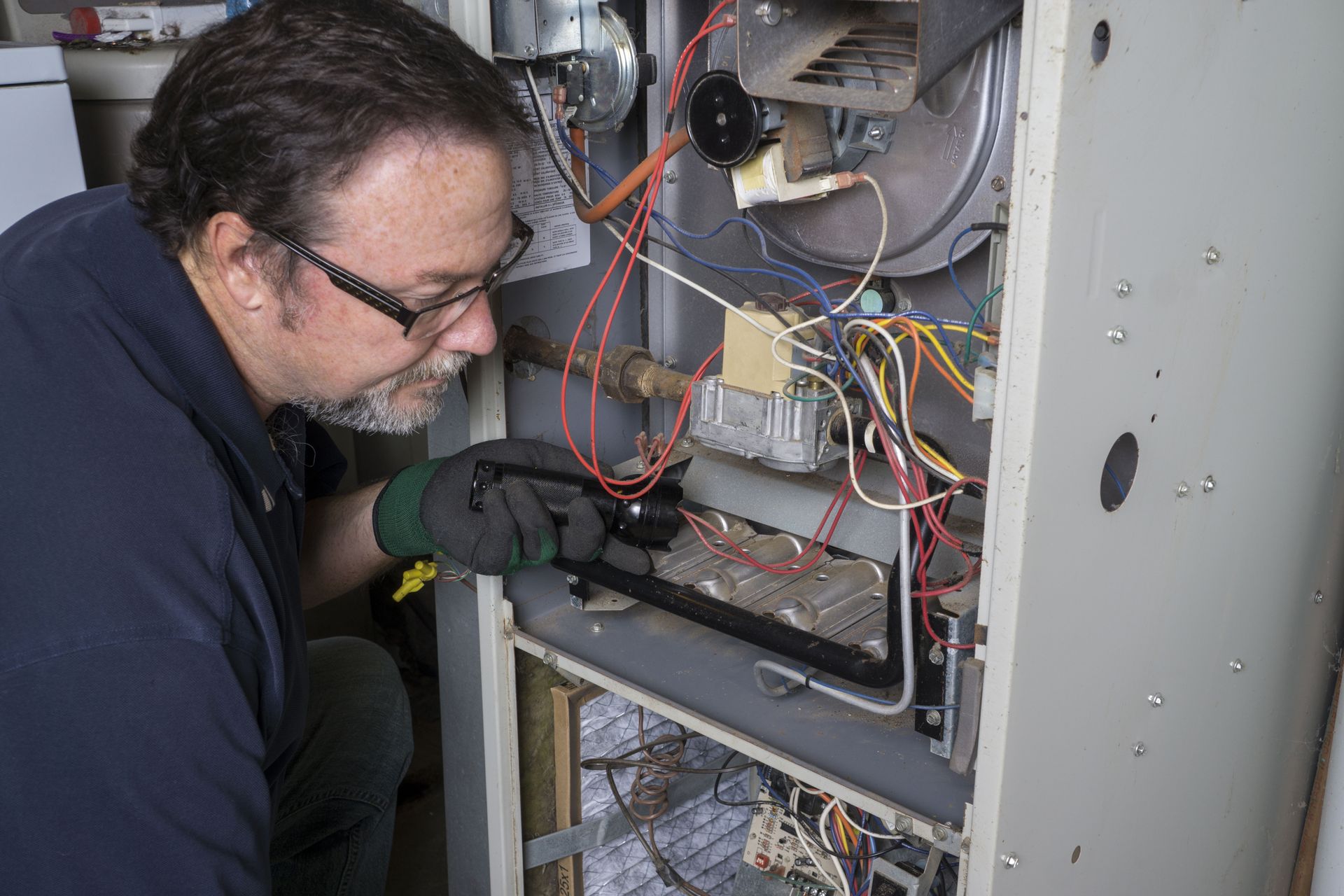
Mechanical systems are subject to continuous friction and physical degradation during prolonged periods of operation. Components such as bearings, belts, pulleys, and fan blades experience gradual deterioration that is often completely invisible to an untrained eye. During routine safety inspections, a qualified HVAC company meticulously examines these internal mechanisms for signs of hairline fractures, excessive slack, or improper alignment. Catching these subtle indicators of deterioration allows technicians to replace minor parts before they snap, seize, or cause secondary destruction to surrounding hardware. For instance, an unbalanced blower wheel or a worn motor bearing can generate intense vibrations that loosen structural fasteners and damage delicate internal housing over time. By systematically addressing these small mechanical irregularities during seasonal checkups, professionals eliminate the destructive vibrations and friction that shorten the operational lifespan of the entire assembly, preserving structural integrity. This careful diagnostic surveillance ensures that minor components do not trigger a massive system breakdown during peak operational seasons.
Calibrating Delicate System Controls
Modern climate control equipment relies on a sophisticated network of electronic sensors, thermostats, and circuit boards to coordinate complex operational cycles. If these control mechanisms become misaligned or lose their calibration, the system may experience frequent short-cycling, wherein the machinery rapidly turns on and off without completing a full cycle. This erratic behavior places immense strain on the compressor and ignition systems, drastically accelerating the aging process of these vital parts. According to This Old House, HVAC systems typically last between 15 to 20 years with proper maintenance. Achieving this ideal operational lifespan requires the steady hand of experienced specialists who understand how to test, recalibrate, and update integrated control systems. Technicians ensure that thermostats accurately reflect actual indoor conditions and that safety switches respond appropriately to pressure variances, keeping the entire system operating within safe and predictable parameters.
Clearing Dangerous Internal Debris
The internal environment of a heating and cooling system acts as a natural magnet for airborne pollutants, including dust, pet dander, pollen, and microscopic particulate matter. Over extended periods, these contaminants accumulate on vital surfaces, forming a thick barrier that insulates components that require direct contact with moving air. When heating elements or cooling coils become covered in debris, heat transfer efficiency plummets, forcing the machinery to run prolonged cycles to satisfy household temperature demands. A dedicated HVAC company thoroughly cleans these sensitive areas, utilizing specialized solutions and gentle agitation techniques that remove stubborn buildup without harming underlying metals. Removing this insulating layer of grime restores effortless thermal transfer, prevents the system from overheating, and eliminates the environmental conditions that foster mold growth within the drainage pans and ductwork, keeping the air clean and the system running efficiently. This detailed sanitization also safeguards the internal components from corrosive chemical reactions caused by damp, accumulated debris.
Balancing Electrical Component Demand
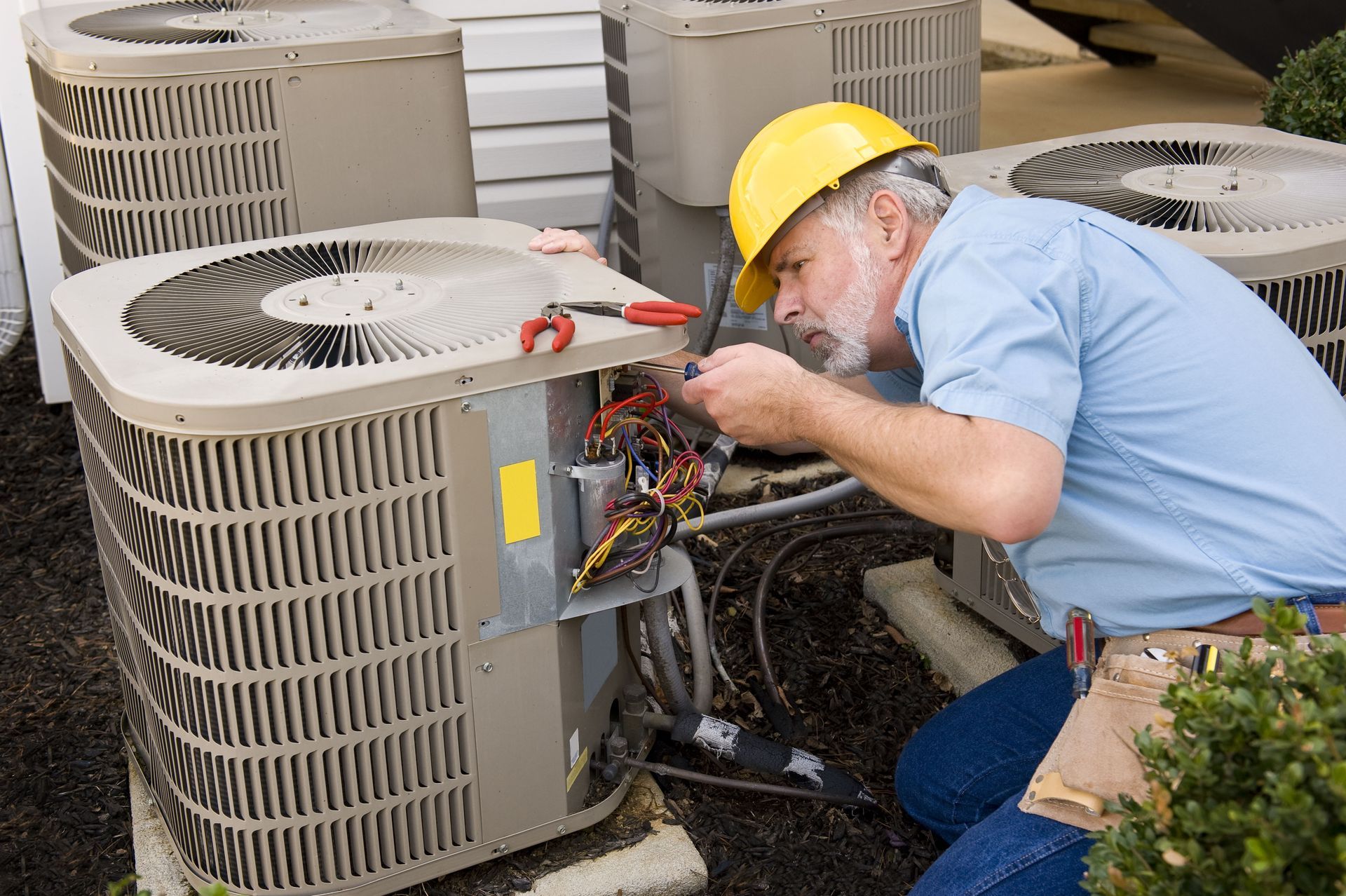
Electric motors and compressors require a precise voltage and current supply to function safely and efficiently. Over time, electrical connections can become loose due to natural system vibrations, while capacitors can lose their ability to store and discharge energy properly. When electrical connections degrade, resistance increases, causing wires to overheat and drawing excessive current from the household power supply. An experienced HVAC company tests every electrical junction, tightens loose terminals, and measures capacitor capacitance to guarantee optimal energy distribution. Addressing these electrical imbalances prevents the main compressor from drawing high starting currents, which can burn out internal windings and cause total motor failure. Ensuring clean, stable electrical pathways protects expensive computerized controls and heavy-duty motors from sudden voltage spikes and thermal degradation, preventing catastrophic electrical failures.
Mitigating Premature Component Strain
When individual parts within a climate system are forced to compensate for neglected maintenance, a cascading effect of component failure is set into motion. A clogged filter or a slight refrigerant leak might seem minor initially, but these unresolved issues compel the main compressor to operate at elevated temperatures and pressures. Because the compressor serves as the very heart of the refrigeration cycle, operating under constant strain inevitably leads to terminal mechanical seizure long before its expected operational life concludes. An expert HVAC company prevents this destructive chain reaction by verifying appropriate fluid levels, testing safety controls, and ensuring every single component fulfills its specific role without forcing adjacent hardware to overcompensate. This comprehensive approach ensures balanced operation across the entire sequence of heating or cooling cycles, ensuring that no single part bears an unfair operational burden that could cause the entire system to collapse prematurely. Regular oversight eliminates the risk of minor issues snowballing into irreparable damage, keeping the entire mechanism functioning in perfect harmony.
Preventing early system failure requires a dedication to routine professional oversight that goes far beyond simple filter replacements. By prioritizing the structural, mechanical, and electrical health of your climate control systems, you protect your home from unexpected disruptions and significant financial burdens. Partnering with certified technicians guarantees that every component of your heating and cooling equipment receives the precise care required to operate smoothly and efficiently throughout its natural lifespan. When you are ready to secure the comfort and safety of your home with unparalleled technical expertise, look no further than Shawnee Heating & Cooling Inc. Contact us today to learn more.