March 10, 2026
When outdoor temperatures drop, and heating systems begin running more frequently, homeowners depend on their furnace to maintain a comfortable indoor environment. Because heating systems work behind the scenes, it can be easy to overlook small changes in performance. Many people assume that minor issues are not urgent enough to address right away. However, delaying furnace repairs often leads to increased energy consumption and higher monthly utility costs as the system struggles to perform its job efficiently. What might initially appear to be a minor inconvenience can gradually affect the furnace's ability to distribute heat throughout the home.
A furnace that is not functioning properly must work harder to generate and distribute heat throughout the home. Over time, this extra workload increases strain on internal components and causes the system to run longer than necessary. When heating cycles become longer and more frequent, the furnace consumes more energy to maintain the same indoor temperature. Small problems can gradually develop into larger mechanical issues if they are ignored, making repairs more complicated and more expensive. Addressing small concerns early can help prevent unnecessary wear on important components.
Contacting a furnace repair company when early warning signs appear can help restore efficiency, improve heating performance, and prevent rising energy bills caused by unnecessary strain on the system. A professional inspection can reveal issues that might not be immediately visible to homeowners, such as airflow restrictions, loose components, or worn parts beginning to fail. By identifying these problems early, homeowners have an opportunity to correct them before they grow into larger system failures that require more extensive repairs.
Recognizing Early Signs That Furnace Repairs Are Needed
Most furnaces provide warning signs before a major problem develops, but these indicators can be easy to miss if homeowners are not paying close attention. Common signals include uneven temperatures between rooms, unusual rattling or banging noises, short cycling, or a furnace that takes longer than usual to warm the home. While these changes may seem minor at first, they often point to underlying mechanical problems that can gradually worsen if they are not addressed. Over time, these small warning signs often become more noticeable as the furnace struggles to maintain normal performance.
As components begin to wear down, the furnace must compensate to maintain the desired temperature. A worn blower motor, restricted airflow, or malfunctioning thermostat can cause the system to operate longer and more frequently than normal. These longer cycles require additional fuel or electricity, which increases energy usage and causes monthly heating bills to rise. At the same time, the extra strain placed on internal components can accelerate wear and increase the likelihood of additional repairs. Without proper attention, these small problems can affect other parts of the system and gradually reduce overall heating performance.
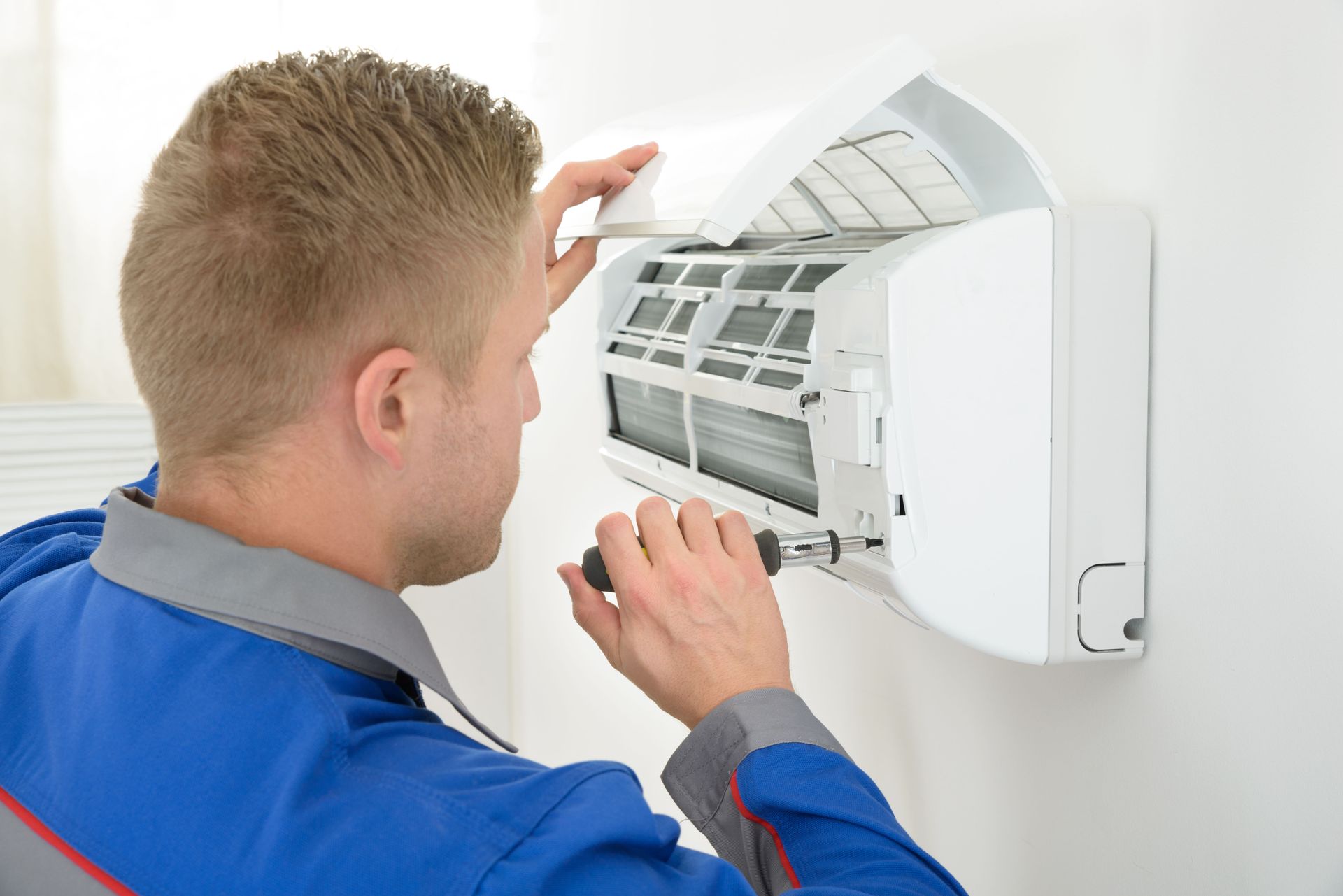
Working with a furnace repair company when these early warning signs appear allows homeowners to address issues before they spread throughout the system. A thorough inspection can identify worn parts, airflow restrictions, or electrical issues that may not be obvious from the outside. Technicians can also evaluate the system's performance and determine whether certain components need adjustment or replacement. By resolving these problems early, homeowners can restore proper system performance and avoid the higher energy costs that often result from delayed maintenance.
Understanding How Minor Furnace Issues Reduce Energy Efficiency
Even small mechanical issues can significantly affect a furnace's efficiency. Heating systems are designed to operate under specific conditions, and when those conditions change, the system must use more energy to produce the same amount of heat. A furnace that once heated a home quickly and efficiently may begin running longer cycles when parts become worn, dirty, or slightly misaligned. Over time, these small inefficiencies add up and lead to noticeable increases in monthly energy bills. Homeowners may not immediately connect these rising costs to furnace performance, but inefficient operation often plays a major role.
Airflow restrictions are among the most common reasons a furnace begins consuming more energy. Dirty air filters, blocked vents, and debris buildup within the system can prevent warm air from circulating properly throughout the home. When airflow becomes restricted, the furnace must run longer to reach the temperature set on the thermostat. This extended runtime places additional strain on internal components and increases the amount of energy required to heat the home. As a result, the furnace continues working harder while delivering less effective heating throughout the living space.
A furnace repair company can address these efficiency problems by cleaning key components, restoring proper airflow, and replacing worn parts that affect performance. Once these issues are corrected, the furnace can operate more smoothly and distribute heat more effectively. Improved airflow and properly functioning components allow the system to complete heating cycles more efficiently, which can help stabilize energy usage. Many homeowners notice improved comfort and more consistent temperatures after these adjustments are made.
Evaluating When Furnace Repairs May No Longer Be Practical
Although many furnace problems can be resolved through repairs, there are situations where continued repairs may not be the most cost-effective option. Older heating systems tend to lose efficiency as internal components wear out, and frequent breakdowns can make ongoing repairs increasingly expensive. Homeowners who find themselves scheduling multiple service calls each year may begin to question whether repairing the system is still the right choice. At a certain point, continuing to repair an aging furnace may result in ongoing costs that outweigh the benefits of keeping the system.
According to HomeGuide, a furnace should be replaced when it is more than 15 years old and needs frequent repairs, or when repair costs exceed half of the price of a new unit. This guideline highlights the importance of evaluating both the age of the furnace and the cost of ongoing maintenance when deciding how to proceed. Older systems often require more frequent attention as parts wear down, which can lead to repeated repair expenses over time. When this pattern develops, homeowners may begin to notice that repairs provide only temporary relief from ongoing issues.
Delaying furnace repairs may appear to save money in the short term, but the long-term consequences often include higher energy bills and an increased risk of major system failures. When a furnace operates with unresolved mechanical issues, it must work harder to maintain comfortable temperatures inside the home. This added strain increases energy consumption and accelerates wear on important components, which can eventually lead to more expensive repairs or complete system breakdowns. Over time, the financial impact of these inefficiencies can become much greater than the cost of addressing small problems early.
Addressing furnace problems early helps restore efficiency and allows the system to operate as intended. Small repairs completed at the right time can prevent minor issues from spreading to other parts of the furnace and causing additional damage. Routine inspections and timely repairs also allow homeowners to maintain consistent heating performance throughout the colder months.
If your furnace has started showing signs of reduced performance, unusual noises, or increasing energy bills, contacting a
furnace repair company can help identify the cause and restore reliable operation. A professional inspection can uncover issues that may not be obvious and provide solutions that improve system performance. Scheduling service at the first sign of trouble can help protect your heating system, reduce unnecessary energy consumption, and keep your home comfortable throughout the heating season. To get help with your furnace today, reach out to Shawnee Heating & Cooling Inc.